Understanding the Legality of Security Measures in California
California’s thriving economy and diverse communities make security a top priority for businesses, property owners, and organizations across the state. But implementing effective protection isn’t just about hiring a patrol company or installing cameras—it’s about understanding and complying with a web of state and federal laws. The legal landscape for security measures in California is complex, and non-compliance can lead to costly penalties or lawsuits. This guide breaks down the key legal considerations, helping you stay protected and informed.
Legal Framework for Security Measures in California
Security operations in California are governed by a robust set of laws and regulations. These include the California Business and Professions Code, the Private Security Services Act, and various labor and privacy statutes. Businesses must also consider federal standards set by organizations such as the U.S. Department of Labor and the Federal Trade Commission.
For example, under the California Private Security Services Act, security companies and personnel must be licensed by the Bureau of Security and Investigative Services (BSIS). Violating these requirements can result in fines or loss of operating privileges.
Regulations on Surveillance: What’s Allowed and What’s Not
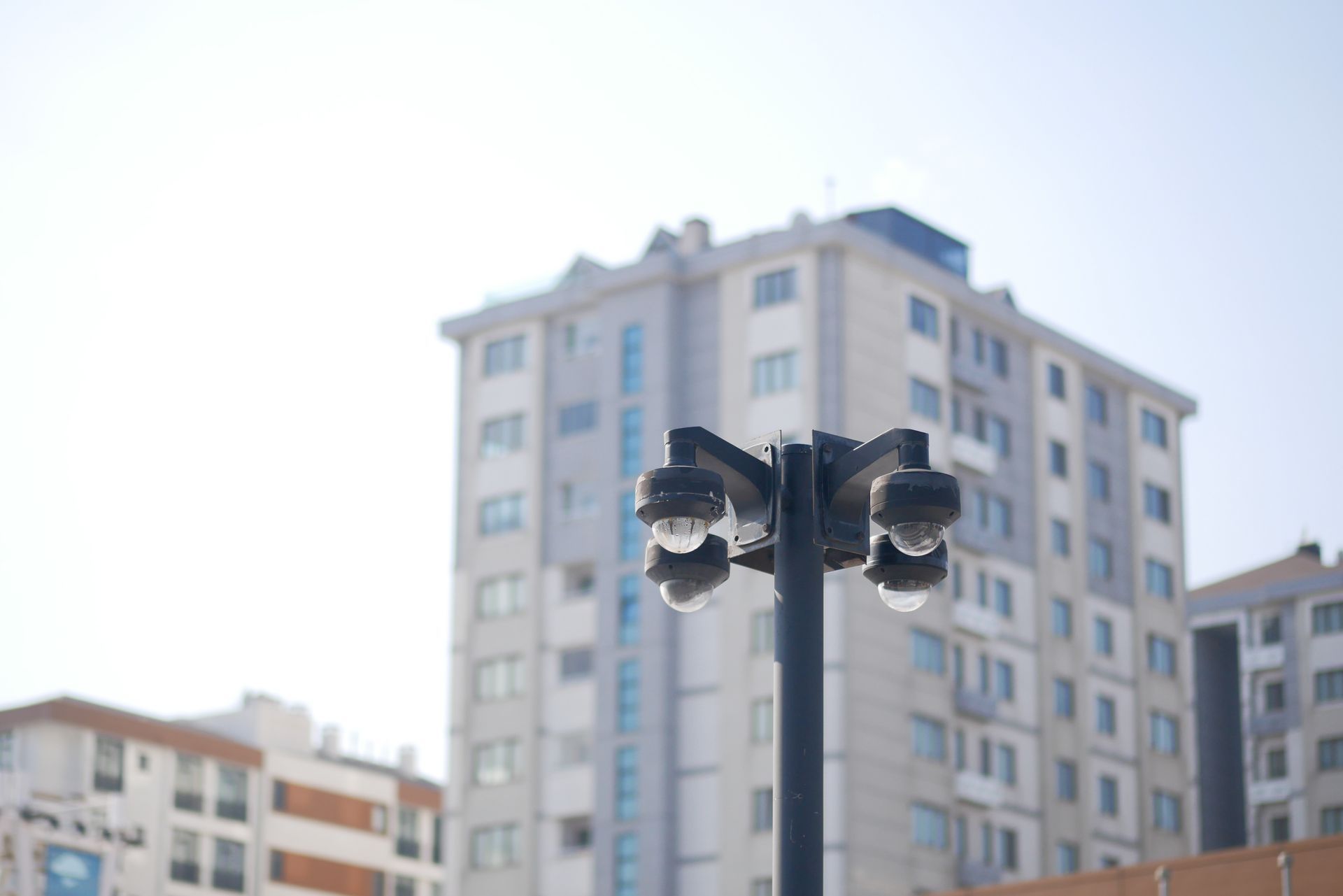
Surveillance—whether through video cameras, audio devices, or other technology—is a powerful tool for crime prevention. In California, however, strict privacy laws govern how and where surveillance can be conducted.
- Video Surveillance:
Businesses are generally permitted to install cameras in public or semi-public areas (like entrances, parking lots, or lobbies). However, it is illegal to record in places where individuals have a reasonable expectation of privacy, such as restrooms or locker rooms. - Audio Recording:
California is a “two-party consent” state, meaning all parties must consent to being recorded. Unauthorized audio surveillance is prohibited under Penal Code § 632, and offenders may face significant penalties.
For businesses, this means clear signage and written consent are critical when implementing surveillance systems. Consulting with legal counsel ensures that your security strategy doesn’t inadvertently cross legal boundaries.
Best Practices for Hiring Security Personnel
When it comes to hiring and managing security staff, California law is detailed and protective of both clients and employees. All security guards must hold a valid BSIS Guard Card, and companies must verify credentials before deployment. Background checks are required by law and must comply with California’s Fair Chance Act and federal EEOC guidelines.
Employers must also adhere to wage and hour laws, provide appropriate training, and ensure that all personnel are knowledgeable about the legal use of force and de-escalation techniques.
Partnering with a reputable provider like California Patrol Enforcement ensures that all security staff meet or exceed state requirements, providing peace of mind for clients.
The Use of Force: Legal Boundaries for Security Teams
Security professionals often face situations where the use of force is necessary to prevent harm or protect property. In California, strict legal boundaries define when and how force can be used.
- Reasonable Force Standard:
Security personnel are only permitted to use the amount of force that is “reasonable and necessary” under the circumstances. Deadly force is only justified in situations where there is an imminent threat to life or serious bodily harm, as established under California Penal Code § 197. - Training and Documentation:
All incidents involving force must be thoroughly documented. Proper training is not only a best practice but a legal requirement; failure to provide it can expose organizations to liability.
Expert Insights: Staying Compliant with State and Federal Law
Compliance is an ongoing process. Laws and regulations can change, and what’s permissible today may not be tomorrow. Regularly consulting with attorneys who specialize in security law is essential, especially when adopting new technologies or expanding services.
Organizations such as the American Bar Association offer resources on privacy and security law, while the California Department of Consumer Affairs provides updates on regulatory changes.
Navigating Compliance for Businesses and Organizations
Staying compliant with California’s security laws is not just about avoiding penalties—it’s about building trust with clients, employees, and the public. By partnering with a licensed, experienced provider like California Patrol Enforcement, businesses can ensure their security measures are both effective and lawful.
Whether you’re considering new surveillance systems or expanding your security team, understanding the legal landscape is crucial. Reach out to legal professionals and trusted security partners to safeguard your interests and maintain peace of mind.
Ready to enhance your property’s security while staying compliant?
Contact California Patrol Enforcement for expert guidance on lawful security solutions tailored to your needs.