Urban vs. Rural Security Strategies
Security needs can vary significantly depending on location. A strategy that works for a busy commercial property in downtown Sacramento may not provide the right coverage for a warehouse, construction site, agricultural facility, or other property on the outskirts of the region.
Population density, property size, traffic, visibility, access points, and infrastructure all influence security planning. Understanding the differences between urban and rural environments helps property owners develop security strategies that better reflect their actual risks.
Urban Security Challenges: Managing Constant Activity
Urban environments are defined by activity. Commercial and residential properties may experience a steady flow of employees, customers, residents, delivery drivers, contractors, pedestrians, and vehicles.
This creates an important security challenge: distinguishing normal activity from behavior that deserves attention.
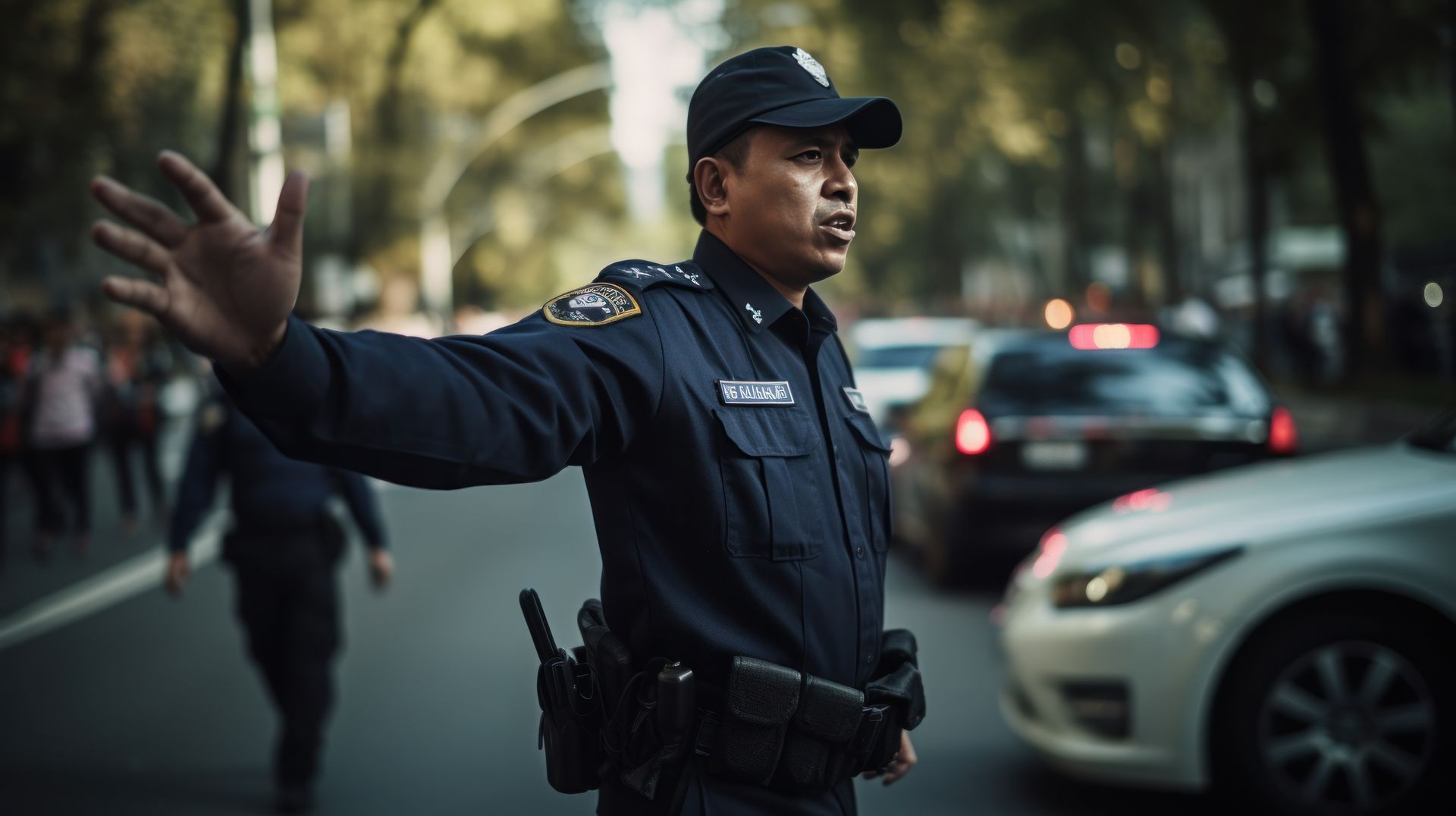
Security personnel in urban environments often need to monitor entrances, parking areas, common spaces, service areas, and other high-traffic locations. Situational awareness becomes particularly important when hundreds of people may legitimately move around a property each day.
Multiple access points can add another layer of complexity. Urban properties may have front entrances, side doors, parking garages, loading areas, alleys, pedestrian walkways, and connections to neighboring properties.
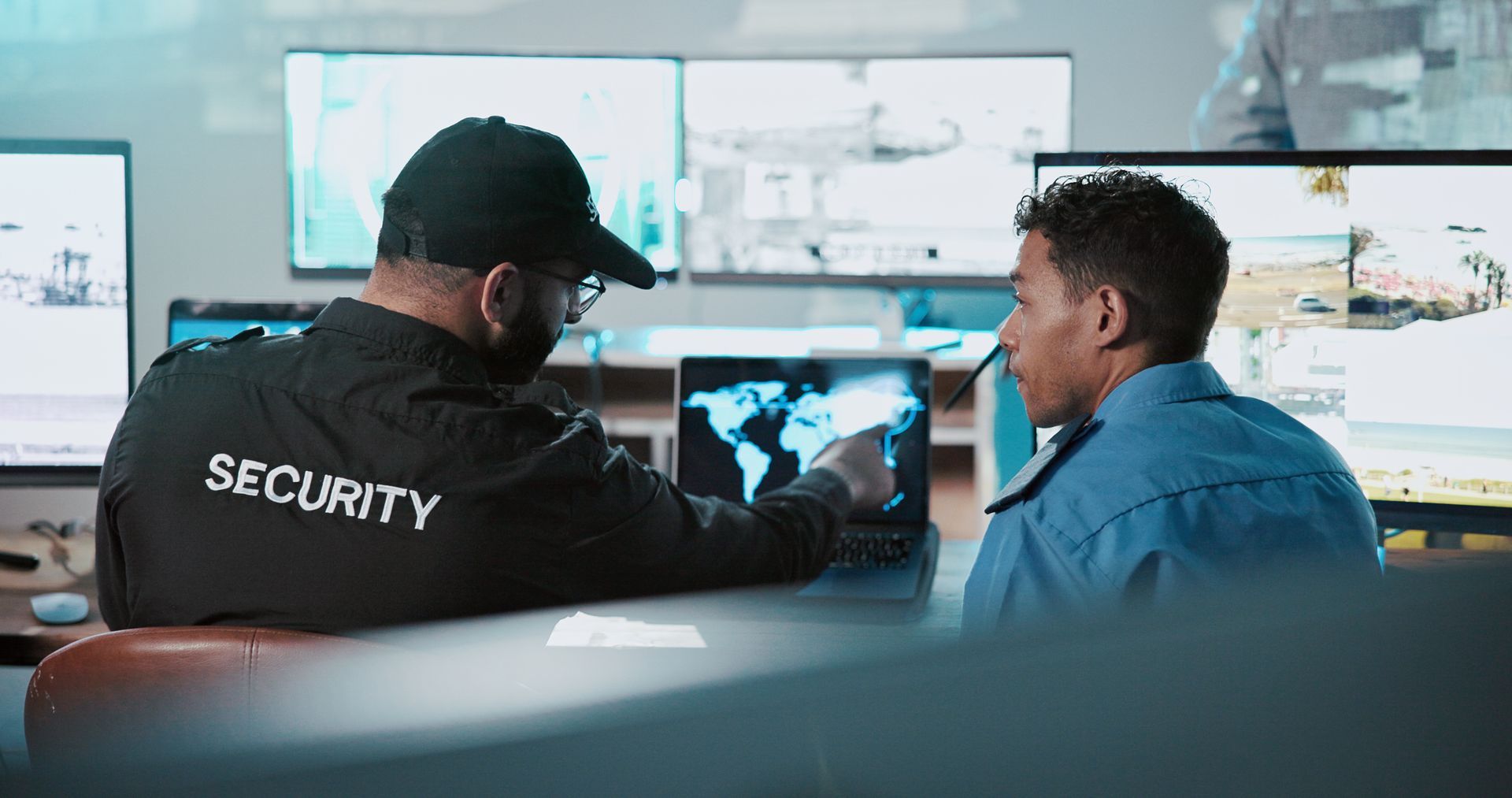
The Cybersecurity and Infrastructure Security Agency (CISA) identifies measures such as lighting, cameras, gates, locks, and access controls as potential components of physical security planning. Combining these measures with a professional security presence can help create a more controlled environment.
Parking Areas Require Special Attention
Parking lots and garages can be important areas of focus for Sacramento businesses.
These spaces bring pedestrians and vehicles together while often containing limited sightlines, multiple entrances, and periods of reduced activity. Underground and multilevel parking facilities can create additional visibility challenges.
Good lighting, clear sightlines, appropriate signage, surveillance systems, and regular observation can all contribute to stronger parking-area security.
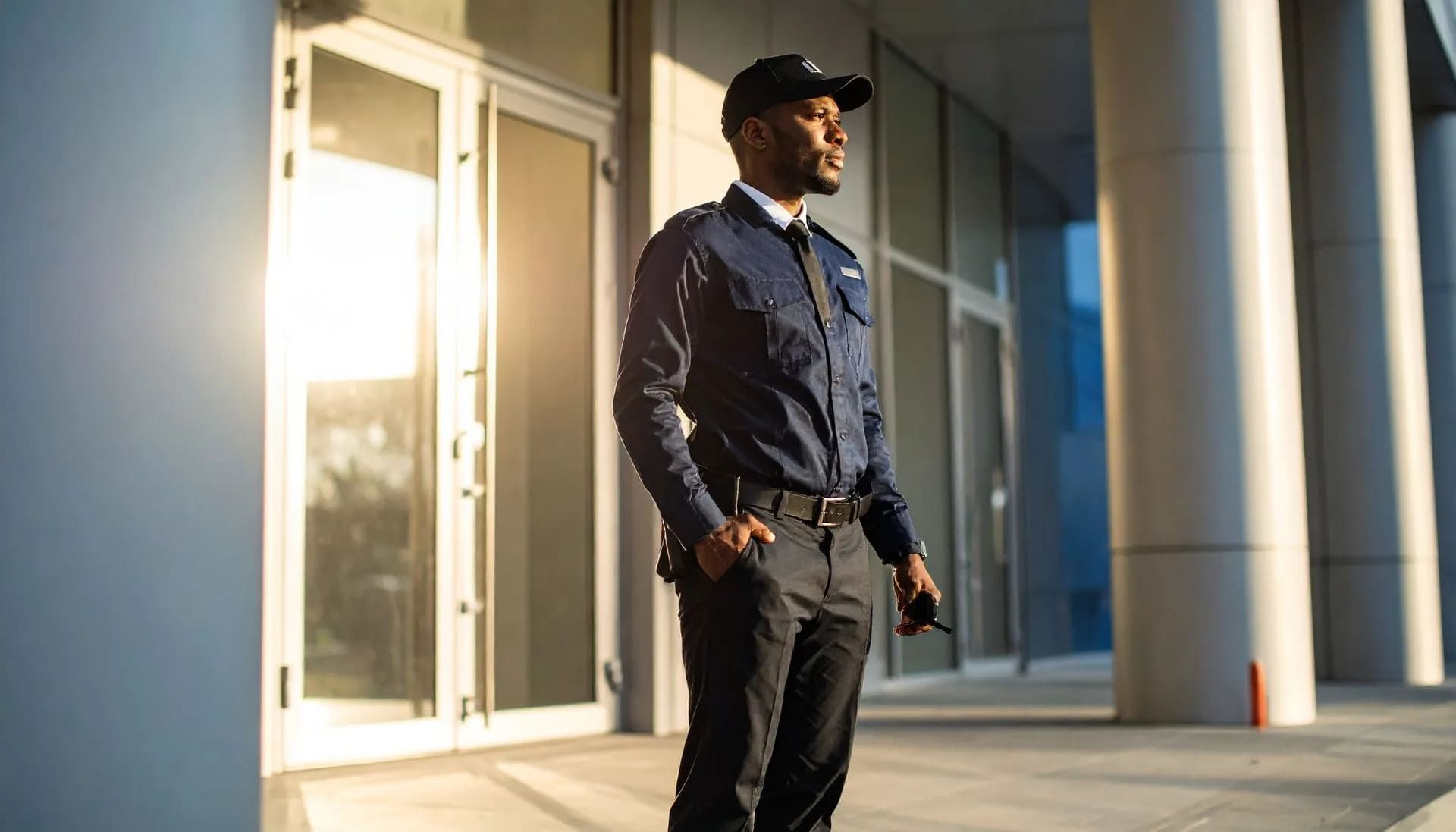
A visible security presence can also help reinforce property rules while providing employees, visitors, customers, and residents with an identifiable point of contact when assistance is needed.
Rural Security Challenges: Distance and Isolation
Rural and semi-rural environments present a different set of challenges.
Instead of managing constant activity, security professionals may need to protect locations where very few people are regularly present. Properties may also cover significantly larger areas and contain equipment yards, storage areas, multiple buildings, remote gates, or extensive perimeter boundaries.
FEMA notes that rural communities can face challenges associated with lower population density, significant driving distances, connectivity, and access to resources.
From a security perspective, these characteristics mean remote properties cannot necessarily depend on nearby activity to provide natural observation. A location may appear quiet for long periods while still containing valuable equipment or other assets.
Larger Properties Benefit From Broader Security Coverage
A compact urban property may allow important areas to be observed relatively quickly. A large rural or industrial property can require a very different approach.
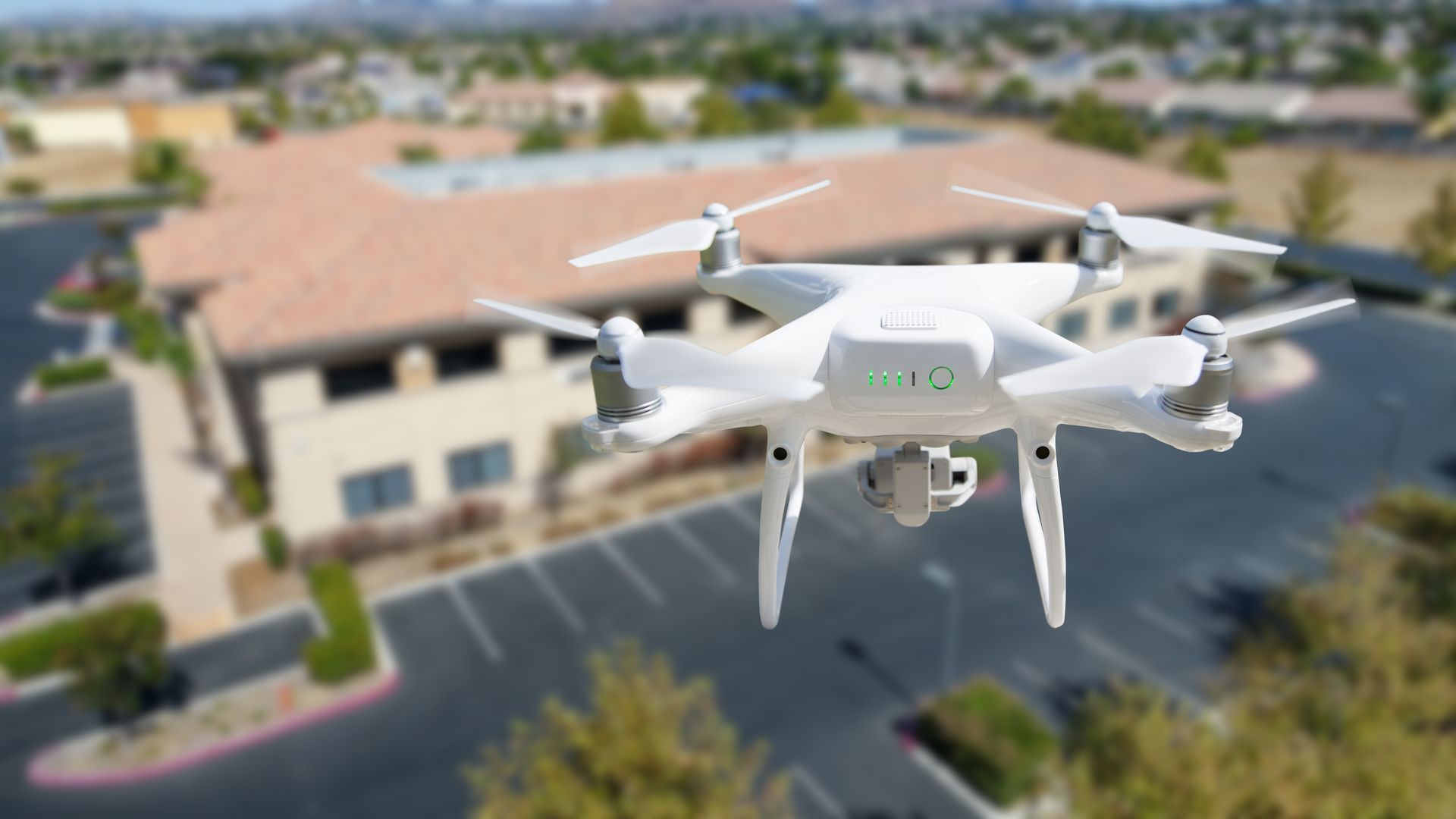
Warehouses, agricultural operations, equipment yards, construction projects, and similar locations may contain areas separated by considerable distances. Buildings, vegetation, equipment, and terrain can create additional blind spots.
This is where mobile patrol security can become especially valuable.
Patrol-based coverage allows security personnel to maintain visibility across different parts of a property rather than remaining concentrated at one location. Entrances, perimeter areas, parking zones, equipment storage areas, vacant buildings, and other important locations can all be incorporated into a broader security strategy.
Businesses considering professional security services in Northern California should therefore consider the physical size and layout of the property when evaluating their security needs.
Infrastructure Can Influence Rural Security
Infrastructure is another important difference between urban and rural environments.
Urban locations generally benefit from established road networks, street lighting, telecommunications, and nearby services. Conditions can vary more widely in remote locations.
Lighting, road access, communications, power, gates, and surrounding terrain can all affect security planning. CISA recommends considering dependencies between infrastructure systems because disruption to one system can affect other important operations.
These factors make a thorough property assessment especially important for rural and semi-rural locations.
Building the Right Security Strategy
The most effective security plan begins with the property itself.
An urban Sacramento office complex may require greater attention to pedestrian activity, entrances, parking areas, and after-hours access. A warehouse or construction site outside the urban core may place greater emphasis on perimeter observation, outdoor assets, remote entrances, and broader patrol coverage.
Neither environment can be effectively protected with a completely standardized approach.
A layered strategy may incorporate access controls, lighting, cameras, physical barriers, signage, security officers, and mobile patrol services. Each measure supports a different aspect of property protection.
California Patrol Enforcement provides
professional security services for businesses and properties throughout Sacramento and surrounding Northern California communities. By considering location, property layout, access points, operating conditions, and visibility needs, organizations can develop a security approach suited to their specific environment.