Cannabis Security Compliance: Navigating California’s Regulations
California’s legal cannabis industry operates within a detailed regulatory framework designed to protect products, employees, customers, and the regulated supply chain. For cannabis operators, security is not only about preventing theft. It is also an important part of maintaining compliance with state licensing requirements and applicable local regulations.
The California Department of Cannabis Control (DCC) regulates commercial cannabis activity at the state level. Cities and counties may also establish additional requirements for businesses operating within their jurisdictions.
Understanding how surveillance, facility access, transportation, and recordkeeping work together can help cannabis businesses build a stronger compliance strategy.
Understanding State and Local Cannabis Requirements
California cannabis businesses generally need to consider both state regulations and requirements established by their local jurisdiction.
The DCC oversees state licensing and establishes regulations for commercial cannabis operations. Local governments determine whether cannabis businesses may operate within their boundaries and can impose additional licensing, zoning, operational, and security requirements.
Because requirements can vary by location and license type, operators should review the rules applicable to their specific business rather than relying on a one-size-fits-all security approach.
Video Surveillance Requirements
Surveillance is one of the most important security considerations for licensed cannabis facilities.
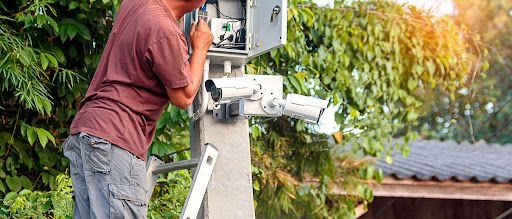
Under California regulations, applicable licensed premises must maintain digital video surveillance covering required areas. Cameras may need to monitor locations where cannabis or cannabis products are weighed, packed, stored, prepared, moved, loaded, or unloaded, along with limited-access areas and entrances and exits.
California also establishes standards for how surveillance systems operate and how long recordings are retained. Businesses should regularly evaluate camera placement, recording capabilities, storage, and accessibility to ensure their systems continue to satisfy applicable requirements.
Facility changes can also affect surveillance coverage. Moving inventory areas, changing entrances, or modifying a floor plan may create areas that need additional monitoring.
Managing Facility Access
Controlling who can enter sensitive portions of a cannabis facility is another important compliance consideration.
Limited-access areas require particular attention because they may contain cannabis products, inventory, records, or other regulated materials. Operators should establish clear procedures for controlling employee, visitor, vendor, and contractor access according to the requirements that apply to their operation.
Physical security measures may include controlled entrances, locks, access-control systems, surveillance, employee identification, and visitor procedures.
Operators should also regularly review who has access to restricted areas. When employees change roles or leave the company, access permissions should be updated accordingly. Maintaining consistent access procedures helps reduce unauthorized entry while supporting everyday operations.
Secure Cannabis Transportation
Cannabis products frequently move between cultivators, manufacturers, distributors, testing laboratories, retailers, and other licensed operations. Each transfer introduces additional compliance and security considerations.
Transportation should be coordinated with California’s inventory and track-and-trace requirements. Required documentation can include information about the originating and receiving licensees, products being transported, transportation personnel, vehicles, and expected departure and arrival information.
Operators should establish procedures that keep products secure throughout transportation while ensuring required records remain accurate and available.
California cannabis regulations can also change through ongoing rulemaking. Businesses should confirm current DCC requirements before modifying transportation or documentation practices rather than relying on outdated procedures.
Maintaining Security Records
Strong recordkeeping can make it easier for cannabis operators to demonstrate compliance during inspections and respond to regulatory requests.
Depending on the business and license type, relevant records may involve surveillance footage, inventory movement, shipping information, track-and-trace entries, employee information, and other operational documentation.
Surveillance records are particularly important because applicable footage must be securely stored and available when required by regulators.
Records should also be organized so authorized employees can locate information efficiently. A business may have appropriate security measures in place, but incomplete or inaccessible documentation can make demonstrating compliance more difficult.
Preparing for Compliance Reviews
Cannabis security should not be treated as something that is reviewed only when an inspection is approaching. Regular reviews can help businesses determine whether physical security measures and documentation continue to meet applicable requirements.
Operators can periodically evaluate camera coverage, recording retention, access controls, employee procedures, transportation documentation, and record availability. Changes to a facility, staffing structure, license, or business operation may also provide a reason to reevaluate existing security measures.
Businesses should also monitor regulatory developments. California’s cannabis rules continue to evolve, and local requirements may change independently of state regulations.
Building Security Around Compliance
Effective cannabis security combines regulatory awareness with practical protection. Surveillance, controlled facility access, secure product transportation, and organized records all contribute to a comprehensive approach.
California cannabis operators should consider both state requirements and rules established by their city or county. Regularly reviewing security practices can help businesses identify potential compliance gaps and adapt as operations or regulations change.
California Patrol Enforcement can provide
professional security services as part of a broader security and compliance strategy. By coordinating professional security with facility policies, employee procedures, and applicable regulations, cannabis operators can better protect their people, property, and products while navigating California’s highly regulated cannabis industry.